AFMD at IMS Luxembourg: Embedding EDI as an organizational strategy to mitigate backlash
AFMD was invited to present at an IMS Luxembourg event titled "Business case for diversity and inclusion: from consensus to adversity, arguments to counter the backlash".
AFMD has the pleasure of working with not only French-based EDI actors but also international actors in the field. Among its long-standing partners is Inspiring More Sustainability (IMS) Luxembourg, with over 10 years of collaboration and shared expertise.
Like AFMD, IMS Luxembourg brings together EDI and CSR leaders across organisations. Additionally, IMS coordinates the Diversity Charter of Luxembourg and is a primary actor in advancing EDI in the country.
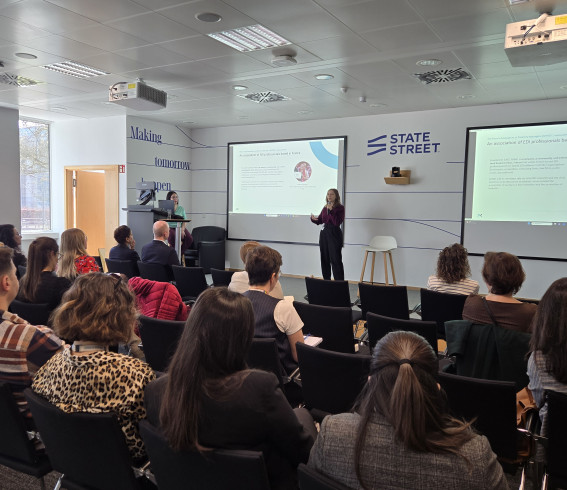
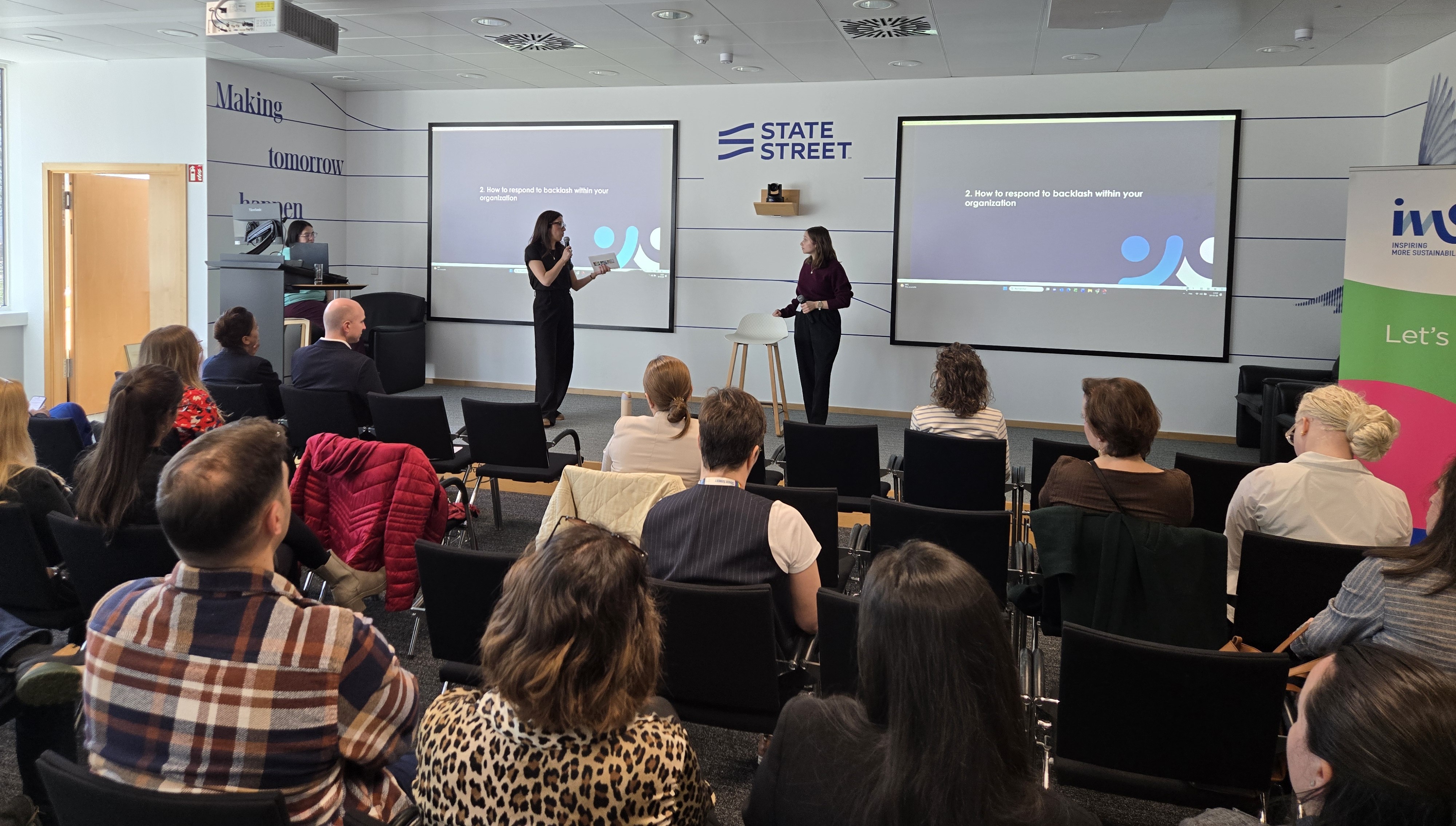
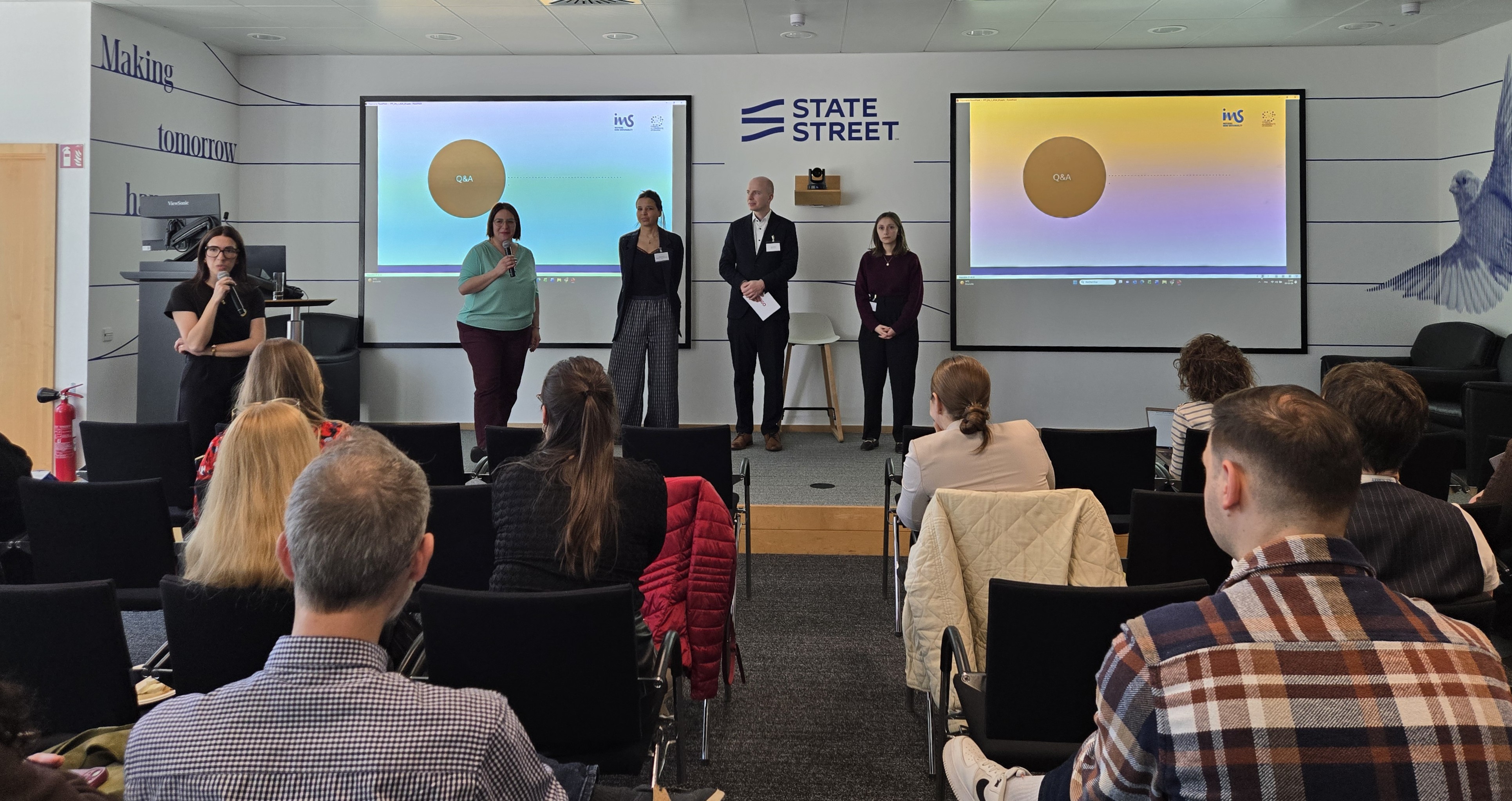
On March 19th, IMS Luxembourg hosted an event for signatories of the Diversity Charter, titled “Business Case for Diversity and Inclusion: From Consensus to Adversity – Arguments to Counter the Backlash.” AFMD was invited to present its work on addressing EDI backlash. Representing AFMD at the event was Andrea Hummel, Community Engagement Project Manager.
Check out the key takeaways below.
Setting the stage: Why have we seen such a rise in backlash against EDI?
A section of AFMD’s EDI Panorama presents the key trends impacting the EDI sector and fueling EDI backlash in France:
- Economic uncertainty and budgetary pressure
- A French economic structure heavily concentrated around large corporations and oriented toward international markets, making multi-national firms dependent on developments in their headquarters’ country
- Increased political polarization and the rise of far-right populist parties across Europe, creating a stronger ideological framing of EDI issues (also known as “wokeism”)
- A growing discourse around “diversity fatigue”.
Legitimizing EDI: The Business Case versus EDI as an organizational strategy
The Business Case is widely used to defend and legitimize EDI policies, arguing that diverse teams are associated with increased innovation, creativity, and performance.
There are, however, some shortcomings to relying solely on the business case as a means to defend EDI programs, especially in the face of backlash. For example, implementing the business case runs the risk of reducing individuals to resources. In the same way, EDI programs can become conditional on their ability to serve the economic interests of the organization, and can, therefore, be more easily paused or cut when profits are slow.
| On the other hand, embedding EDI as an organizational strategy entails defending EDI programs for precise reasons (employer branding, risk management talent attraction and retention, etc.), while protecting these programs and making them more coherent by aligning them with the company’s strategic objectives and embedding them in HR systems and decision-making processes. |
In this way, EDI is not simply an add-on but becomes a part of "how we operate".
For these reasons, pairing the business case with the embedding of EDI as an organizational strategy helps best position organizations to withstand backlash.
Are you an AFMD member and want to learn more about embedding EDI as an organizational strategy?